
You’re cruising through Pflugerville, perhaps heading toward a weekend getaway or simply navigating the daily commute in your BMW or Honda. You press the brake pedal to slow down for a red light, and for a split second, there’s a flicker of hesitation. Maybe it’s a faint squeak, or perhaps the pedal feels just a bit softer than it did last month.
In a high-performance European machine or a precision-engineered Asian vehicle, the braking system is your most critical safety feature. It is the literal line between a controlled stop and a dangerous collision. Yet, because brake wear is often gradual, many drivers subconsciously adapt to failing performance until it’s too late.
At United Euro, we believe that maintaining your vehicle shouldn’t involve guesswork. With over 25 years of excellence and a team led by Certified Master Technicians Moe and Felix, we’ve seen how small warning signs can escalate into costly repairs. Understanding these five warning signs isn’t just about vehicle maintenance; it’s about protecting your investment and your family.
1. The Auditory Alarm: Squealing, Chirping, or Grinding
Your car is designed to talk to you. When it comes to the braking system, the first “conversation” usually involves high-pitched noises.
Most modern brake pads are equipped with a small metal shim called a wear indicator. When the friction material on the pad wears down to a specific thickness: usually around 2-3mm: this metal shim makes contact with the rotor, producing a distinct squealing or chirping sound. This is an intentional “early warning” designed by engineers to tell you that you need brake repair services within the next few weeks.
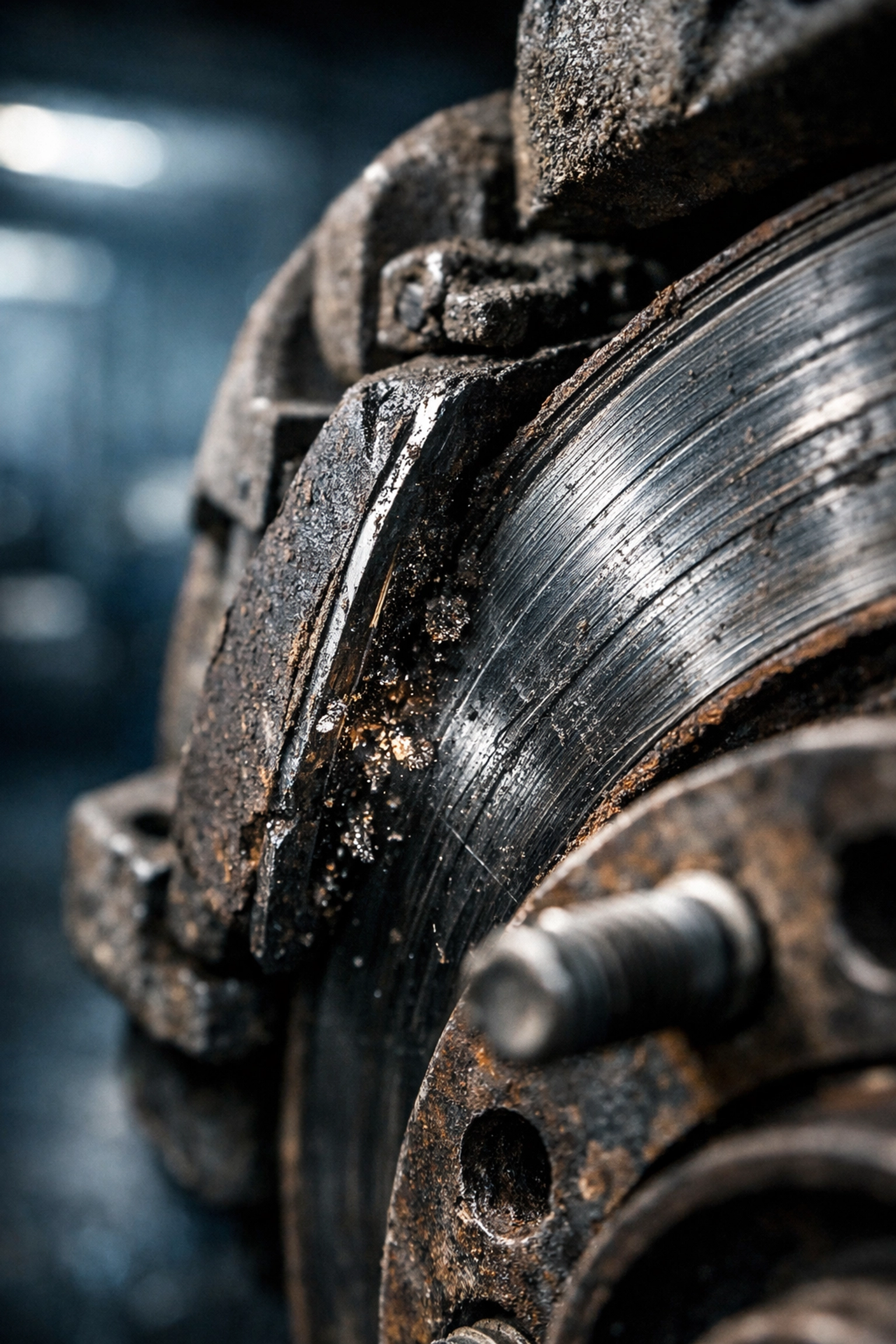
However, if that squeal evolves into a heavy, metallic grinding sound, you have entered the danger zone. Grinding indicates that the friction material is completely gone. You are now experiencing metal-on-metal contact between the brake caliper and the rotor.
For owners of European brands like BMW or Audi, this is particularly critical. European braking systems often utilize softer rotor compounds to achieve superior stopping power and “bite.” When you allow pads to reach the grinding stage, you aren’t just replacing pads; you are likely destroying the rotors and potentially damaging the calipers. In our European auto repair facility, we prioritize catching these issues early to save you the expense of a full system overhaul.
2. The Spongy or Soft Brake Pedal
The braking system in your vehicle is a closed hydraulic circuit. When you press the pedal, you are moving brake fluid through lines to engage the calipers. If the pedal feels “spongy,” “mushy,” or sinks all the way to the floorboard, the hydraulic integrity has been compromised.
There are three primary culprits for a soft pedal:
- Air in the Lines: Air is compressible; brake fluid is not. If air enters the system, your foot’s pressure is spent compressing air bubbles rather than moving the brake pads.
- Moisture Contamination: Brake fluid is hygroscopic, meaning it absorbs moisture from the air over time. This moisture lowers the boiling point of the fluid. Under heavy braking, the water can turn into vapor, creating that “spongy” feel and reducing stopping power.
- Master Cylinder Failure: Think of the master cylinder as the “heart” of your braking system. If the internal seals fail, the pressure required to stop your car will bleed off internally.
Whether you drive a high-revving Honda or a luxury Mercedes, a soft pedal is a non-negotiable safety hazard. At United Euro, we utilize expert diagnostics to pinpoint exactly where the pressure loss is occurring, ensuring your “pedal feel” is restored to factory specifications.
3. Vibrations and Shaking During Deceleration
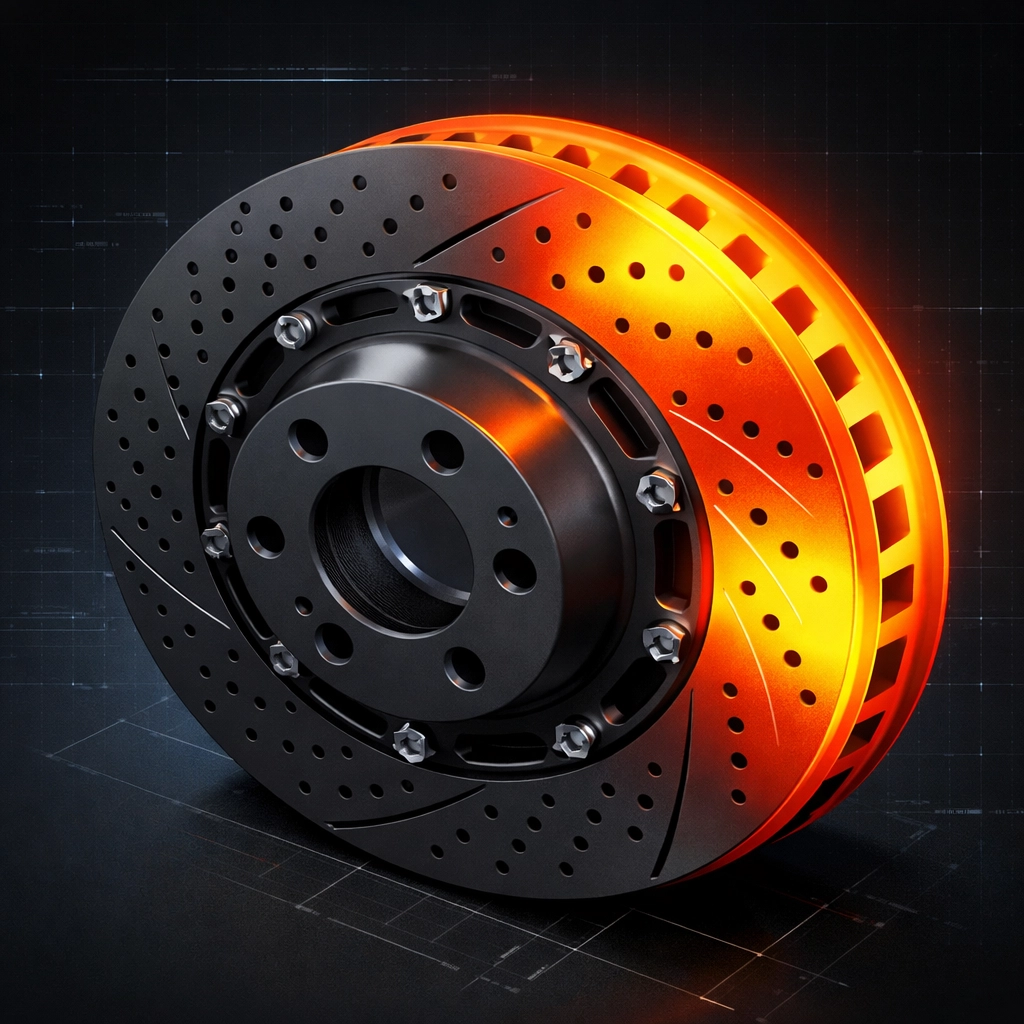
If your steering wheel shudders or your brake pedal pulsates when you apply pressure, you are likely dealing with “warped” rotors. Technically known as lateral runout or thickness variation, this occurs when the surface of the brake rotor is no longer perfectly flat.
Rotors are subject to immense thermal stress. Repeated heavy braking generates heat that can reach over 1,000 degrees Fahrenheit. If the rotors cannot dissipate this heat effectively, or if they are subjected to sudden cooling (like driving through a deep puddle after a long descent), the metal can distort.
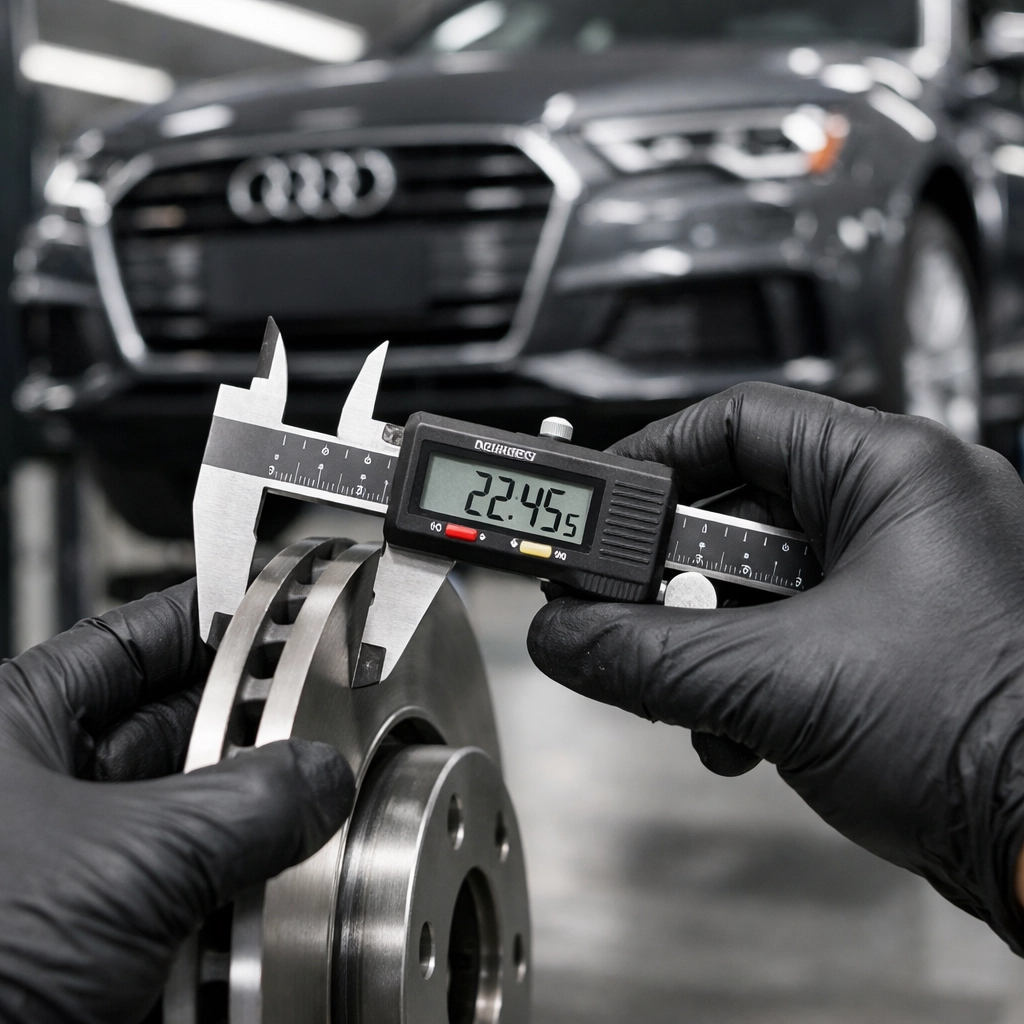
For Pflugerville drivers, this isn’t just an annoyance; it’s a performance killer. A vibrating rotor prevents the brake pads from making consistent, even contact. This reduces the friction coefficient and increases the time it takes to stop. As a specialized BMW repair shop and Honda repair shop, we see this often. We don’t just “slap on pads”; we measure rotor runout with precision instruments to ensure a vibration-free experience.
4. The “Pull” to One Side
When you apply the brakes, your car should maintain a straight path. If the vehicle tries to dive into the left or right lane, you have an imbalance in your braking force.
This “pulling” sensation usually points to a “stuck” or “frozen” brake caliper. In a healthy system, the caliper pistons move outward to press the pads against the rotor and then retract slightly when you release the pedal. If a caliper piston becomes seized due to corrosion or debris, it may stay engaged (causing the car to pull toward that side) or fail to engage entirely (causing the car to pull toward the opposite, working side).
Other causes can include a collapsed brake hose that acts as a one-way valve, or unevenly worn pads. This behavior is especially dangerous in wet or slippery conditions, where an imbalanced brake force can trigger a skid. Our team, led by Moe and Felix, treats this as a holistic issue, checking everything from the hydraulic lines to the wheel balancing to ensure your car tracks straight and true.
5. Increased Stopping Distance and “Fading”
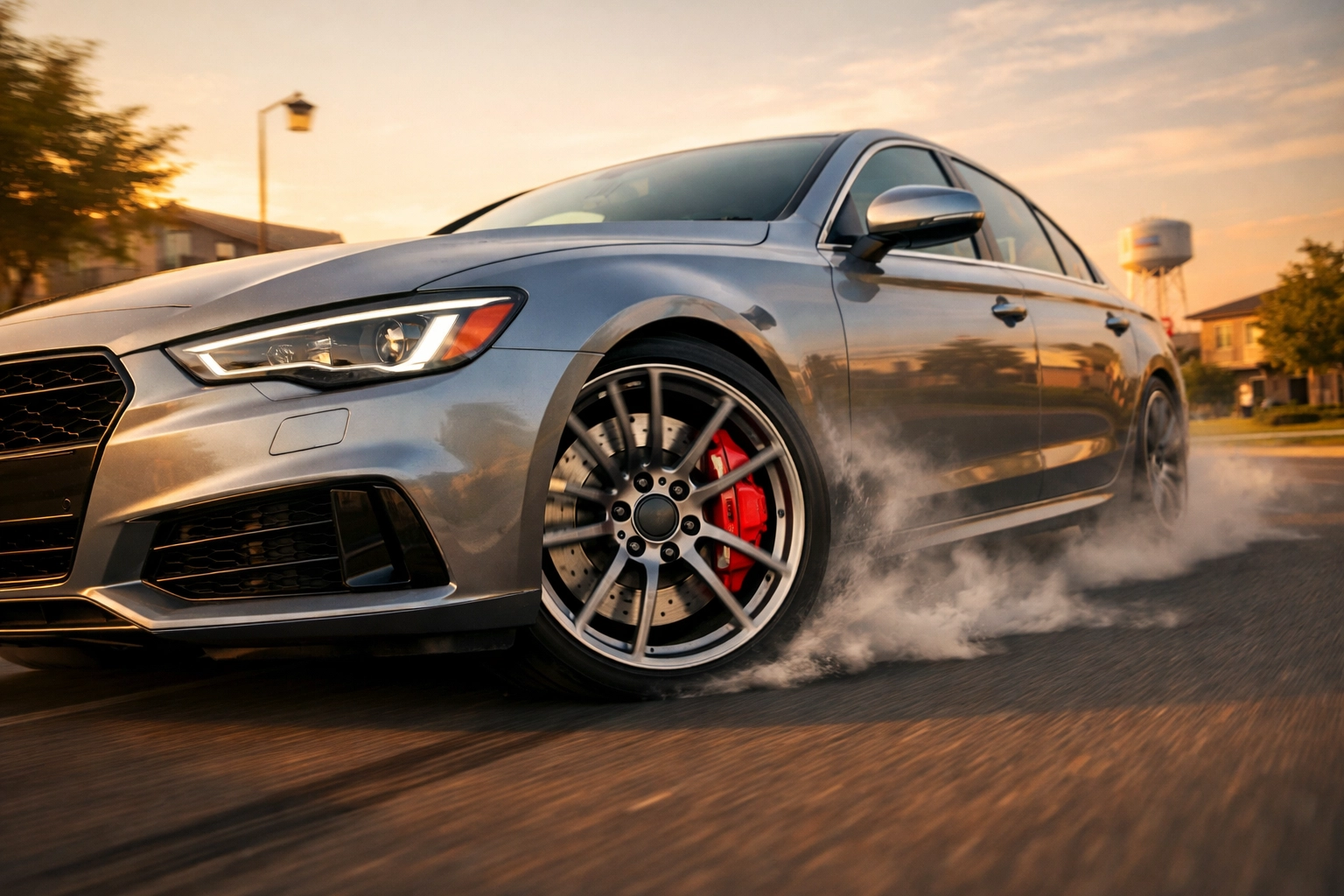
Physics is unforgiving. If your car takes noticeably longer to come to a complete stop, your braking efficiency has dropped. This is often the result of “brake fade.”
Brake fade occurs when the friction components (pads and rotors) can no longer convert kinetic energy into heat effectively. This can happen because the pads have become “glazed”: a condition where the friction material gets so hot it turns into a smooth, glass-like surface with no “grip.”
In many Asian and European vehicles, the braking systems are tuned for specific performance envelopes. Using low-quality, “white-box” parts can lead to premature fade and longer stopping distances. This is why we insist on factory-quality parts and meticulous multi-point inspections. If your car isn’t stopping with the crispness it once had, it’s time to let a Master Technician take a look.
Why Trust United Euro for Your Brake Repair Services?
Choosing the right shop for Asian car repair or European maintenance is a choice between “good enough” and “precision engineering.”
At United Euro, we bridge the gap between dealership expertise and independent shop transparency.
- Master Technicians: Moe and Felix bring decades of combined experience to every bay. They understand the nuances of Bosch ABS systems in European cars and the sophisticated electronics in modern Asian hybrids.
- 25+ Years of Excellence: We aren’t a new shop on the block. We have built our reputation on the foundation of integrity and technical mastery.
- Advanced Diagnostics: We invest in factory-level diagnostic tools because we believe in fixing the root cause, not just the symptom. You can learn more about why factory-quality diagnostics matter here.
- Flexible Financing: We know that unexpected repairs can be a stressor. That’s why we offer flexible financing options through Synchrony, SNAP, and Acima, ensuring you never have to compromise on safety because of a budget.
Don’t Wait for the Warning Light
Your brakes are a system of wear and tear. While dashboard warning lights for pad wear are common in many European models, they are the final warning, not the first. By the time the light is on, you may already be risking damage to other components.
Whether you need a routine pad replacement or a complex hydraulic diagnostic, United Euro is your partner in Pflugerville for all things automotive. We take a “no-guesswork” approach, providing you with a clear digital inspection and an honest assessment of your vehicle’s health.
Your safety is our priority. If you’ve noticed any of these five signs, don’t wait for the situation to get worse.
Schedule Your Expert Brake Inspection Today
Ready to experience the precision and care that comes with 25 years of automotive excellence? Whether it’s your daily driver or your weekend pride and joy, we treat every vehicle with the same level of meticulous detail.
Contact us today to book your appointment, or visit our About page to learn more about our commitment to the Pflugerville community. Let Moe and Felix give you the peace of mind that only comes from knowing your brakes are in the hands of Master Technicians.